Nicolas Schuybroek & 光、比例与艺术的沉思居所
Residential
H House
Belgium
Nicolas Schuybroek Architects
2025
Private
Matthieu Salvaing


Nicolas Schuybroek & 光、比例与艺术的沉思居所

 Previous
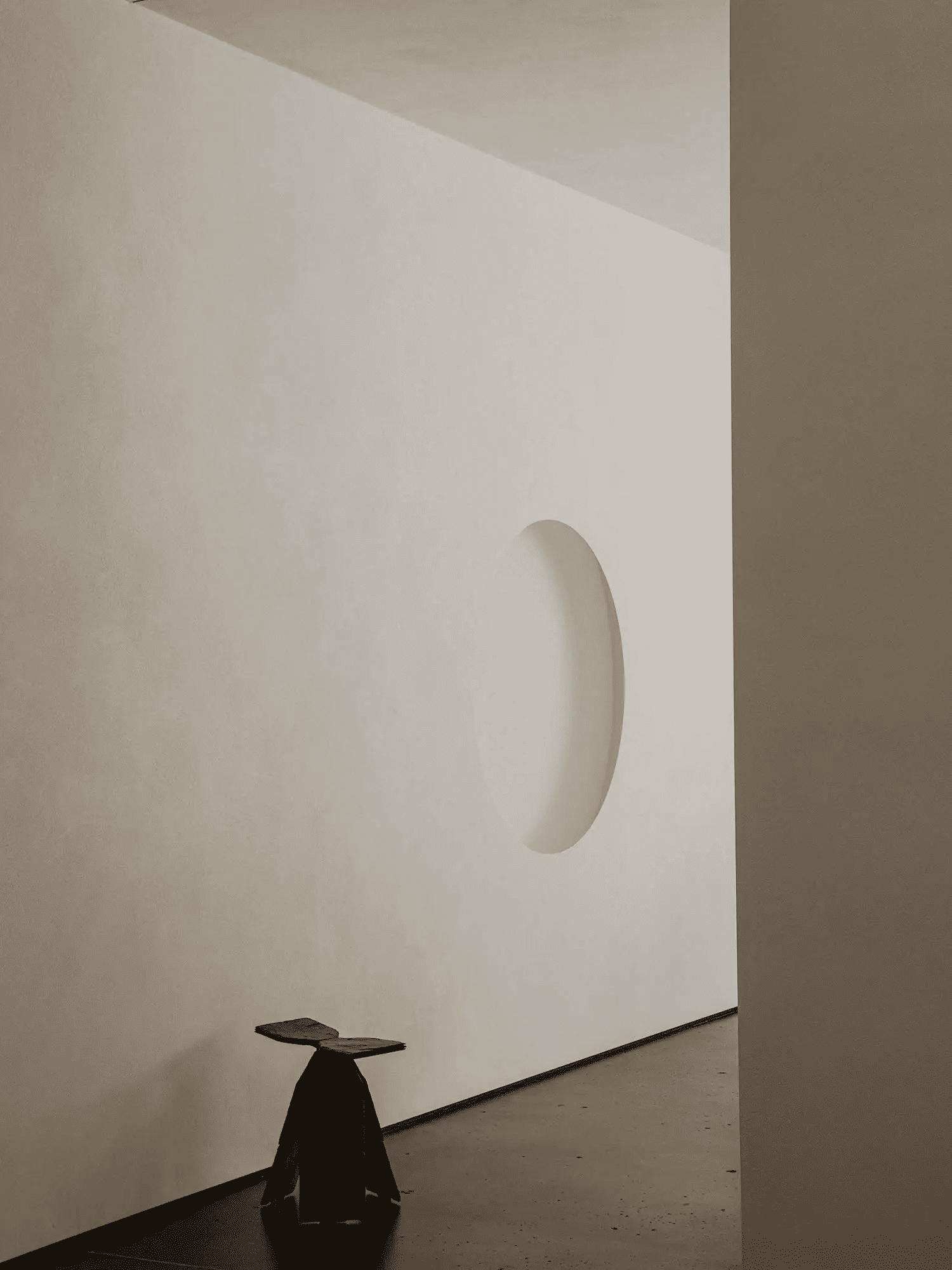
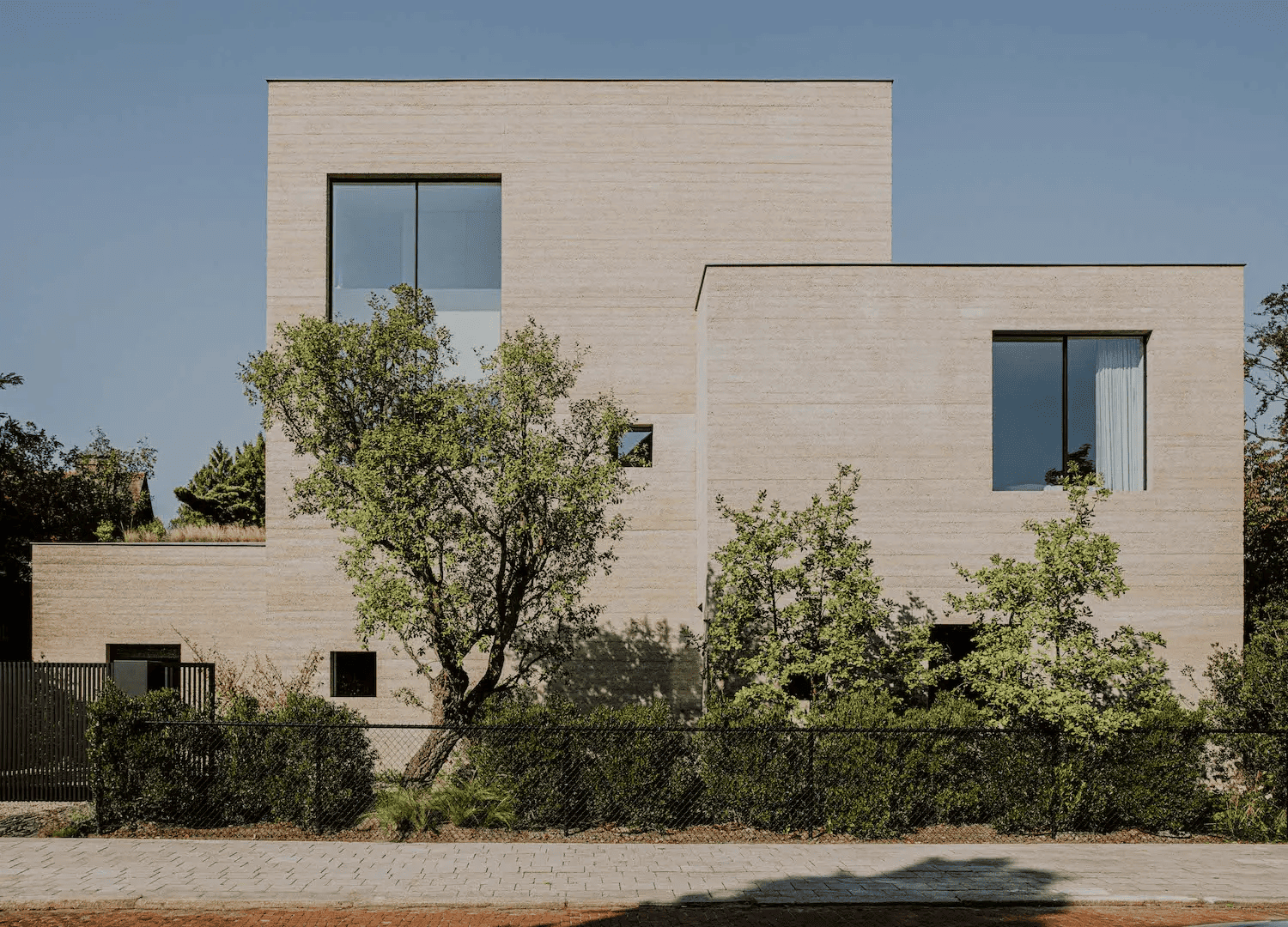
H House, designed by Belgian architect Nicolas Schuybroek, delves into the concept of "Heterotopia," aiming to integrate light with experimental architecture and spatial proportions to create a residential exhibition space capable of housing the owner's art collection.
H House由比利时建筑师Nicolas Schuybroek操刀,深入探讨了“Heterotopia 异托邦”的概念,旨在结合光线与实验性的建筑、空间比例,打造一个能容纳主人艺术收藏的展示性居住空间。
Located on a perfect plot, the entire design process was experimental. Nicolas Schuybroek used handmade models to refine the building's cubic form, while simultaneously complying with local building codes and respecting the classical character of the neighborhood's residences.
项目坐落于一块完美的地块上,整个设计过程中充满了实验性,Nicolas Schuybroek借助了手工模型来推敲建筑的立方体形态,同时满足当地的建筑规范,并尊重该社区住宅的古典风貌。
Following in-depth discussions with the client, Nicolas Schuybroek drew inspiration from a series of references that guided his design thinking – including Peter Zumthor's Bruder Klaus Field Chapel, the architecture of Luis Barragán, and Michel Foucault's concept of "Heterotopia." Schuybroek stated, "This guided our ambition to create an atmosphere where a sense of geography and time both feel suspended."
Nicolas Schuybroek在与客户进行多次深入讨论后,通过一系列参照启发了他的设计思考 —— 包括Peter Zumthor的Bruder Klaus田野教堂、Luis Barragán的建筑以及Michel Foucault关于“异托邦”的论述。Schuybroek表示:“这指引了我们创造一个让地理与时间感均呈悬浮状态氛围的雄心”。
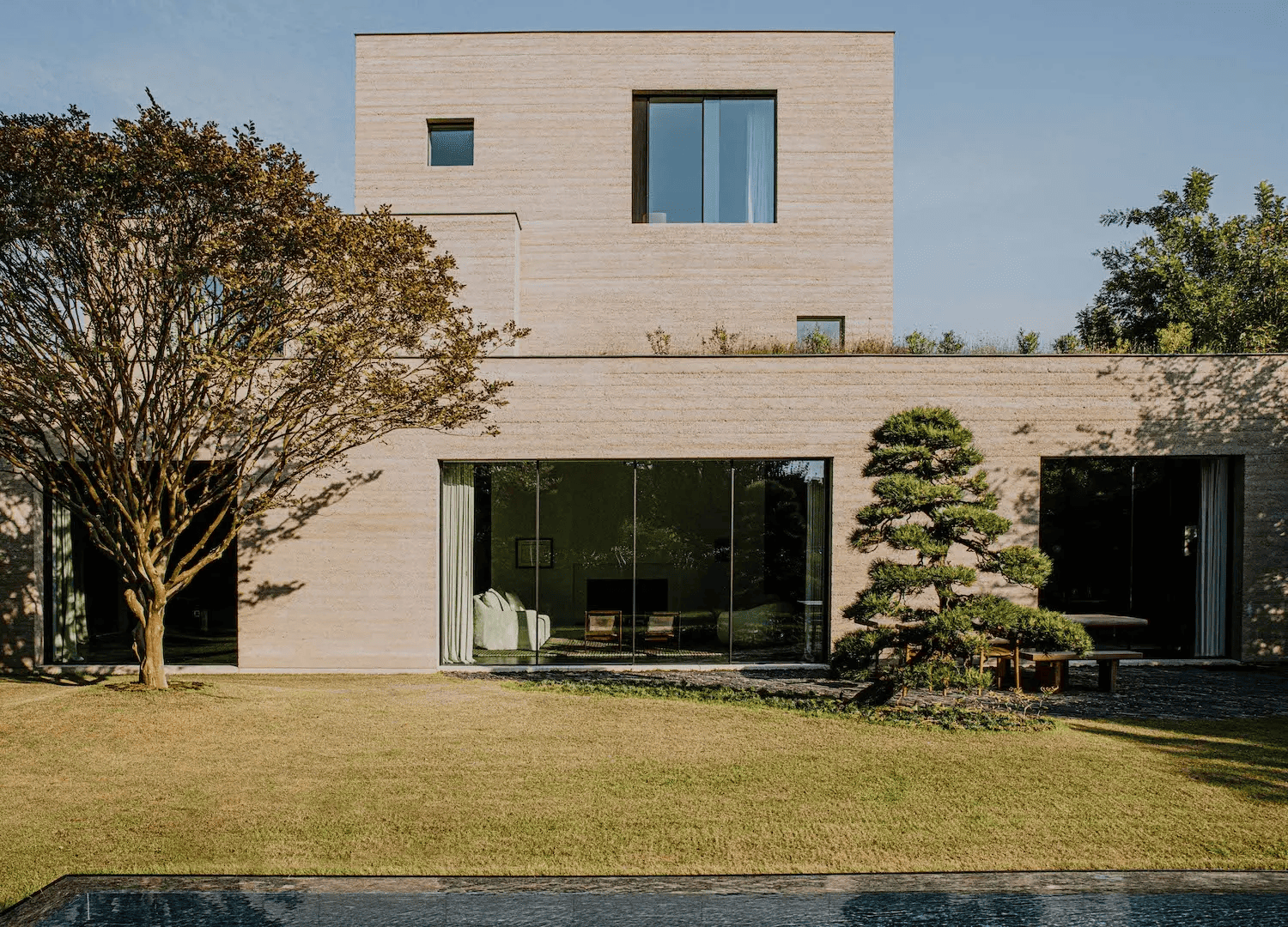
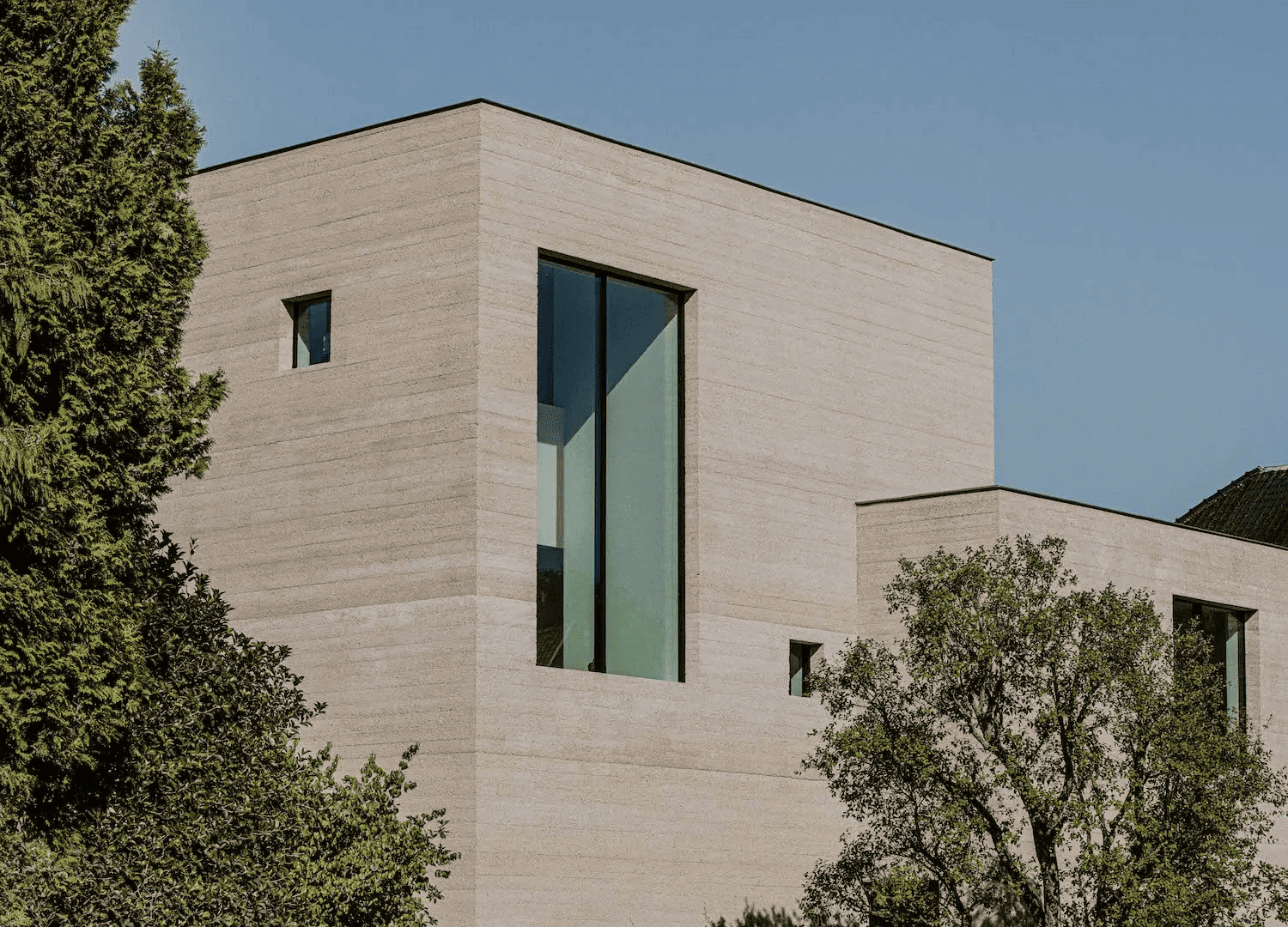
The building's exterior is shaped by stabilized rammed earth, developed by the Brussels-based firm BC Architects, incorporating sand, gravel, earth, and concrete. The natural, textured, and imperfectly finished exterior walls of this two-story residence reflect the surrounding environment, allowing the structure's monumental proportions to blend harmoniously with the landscape.
建筑外立面由来自布鲁塞尔的BC Architects研发的稳定夯土塑造而成,材料包含沙、砾石、泥土与混凝土。这座双层住宅天然、富有肌理且不完美的外墙,映照着周围的环境,使其结构的恢弘比例与景观相融共生。
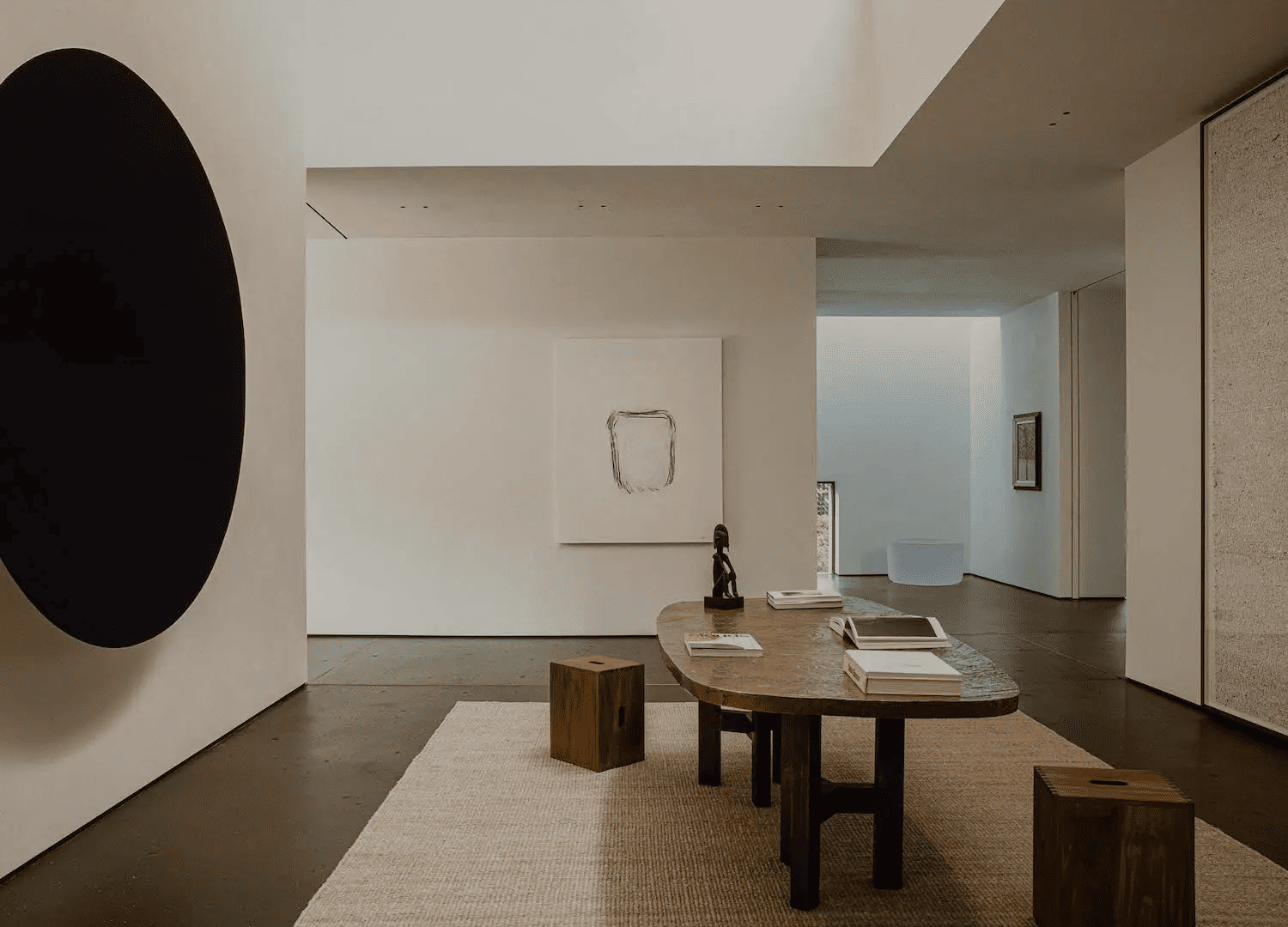
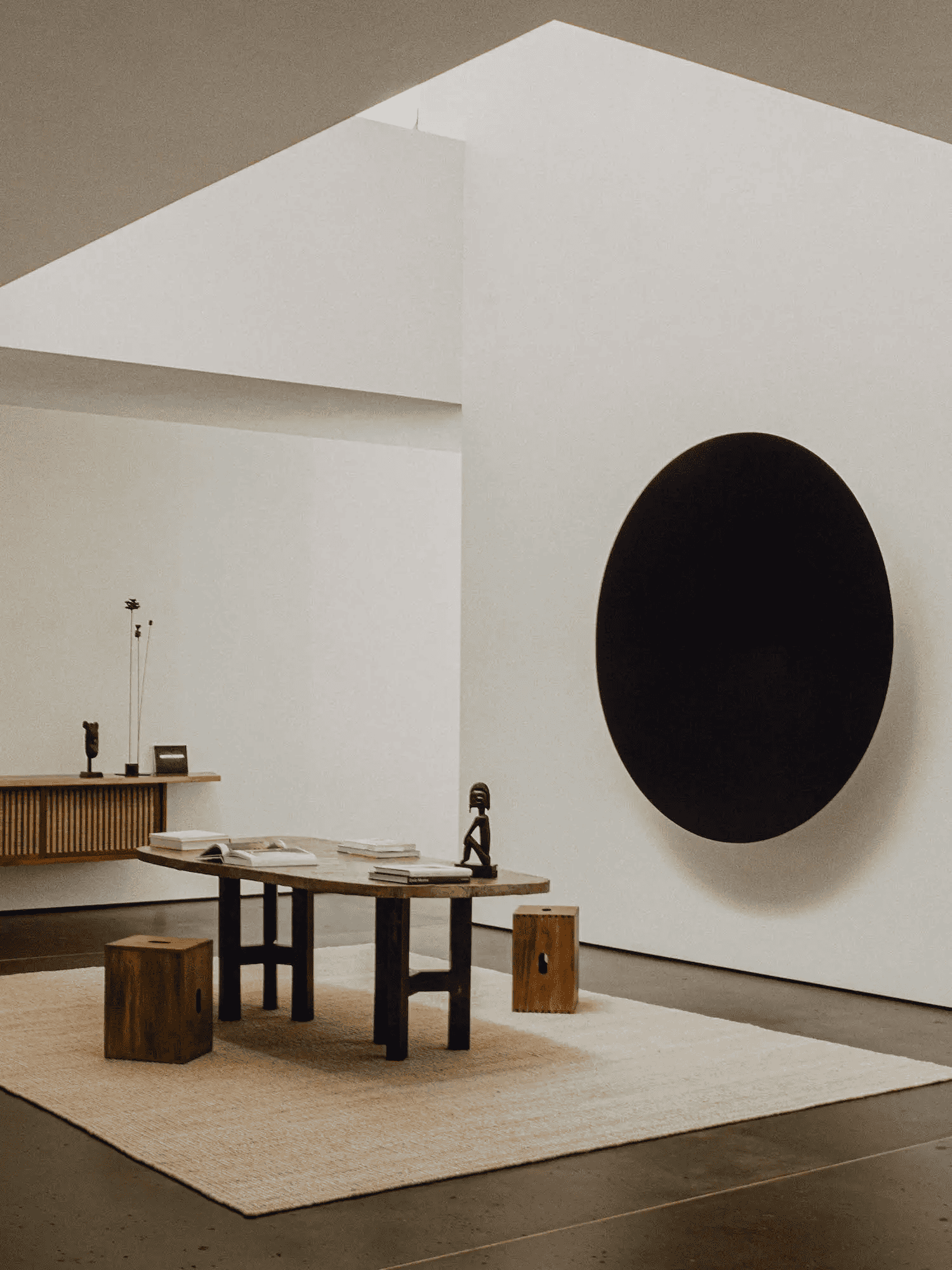
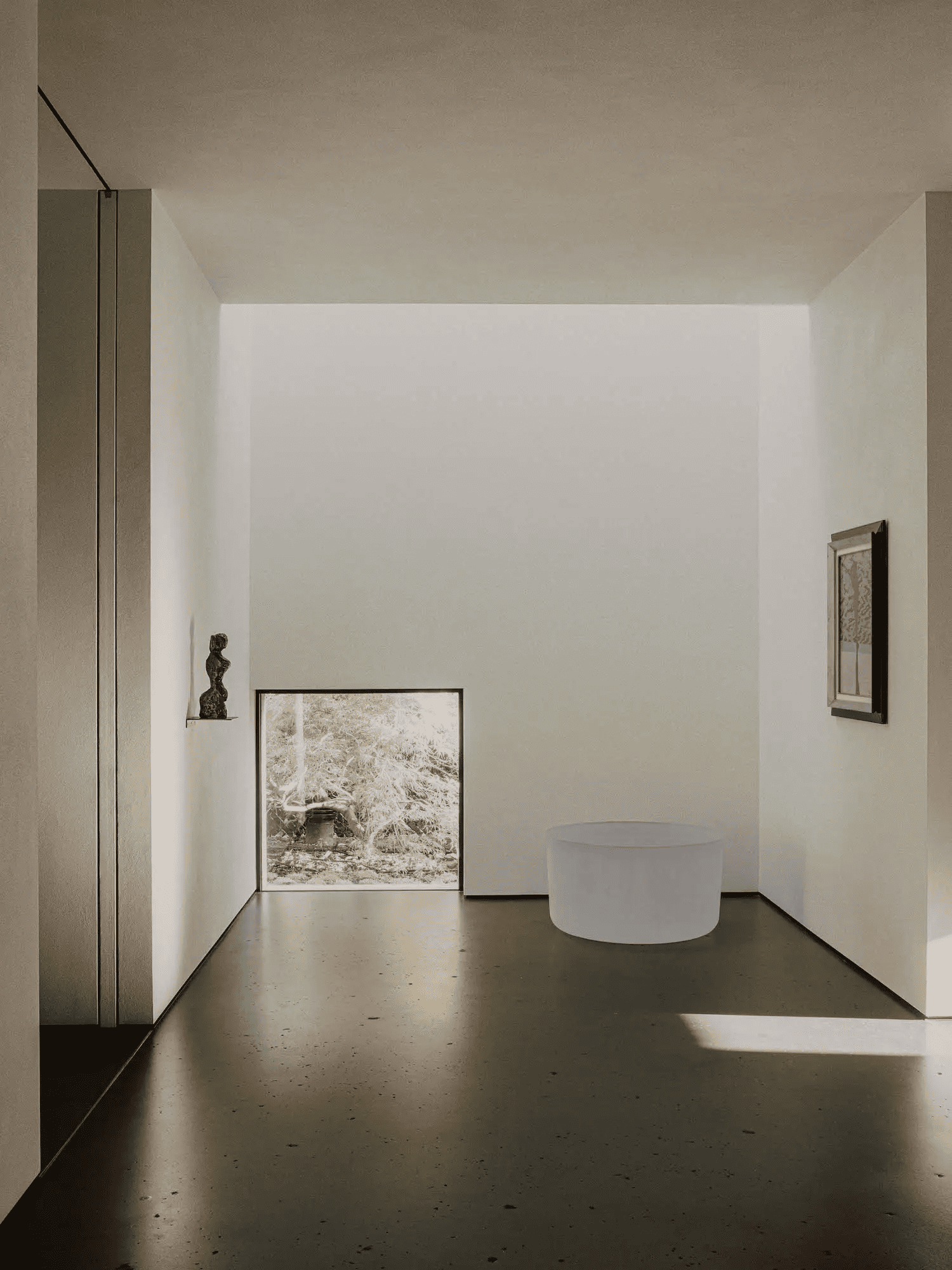
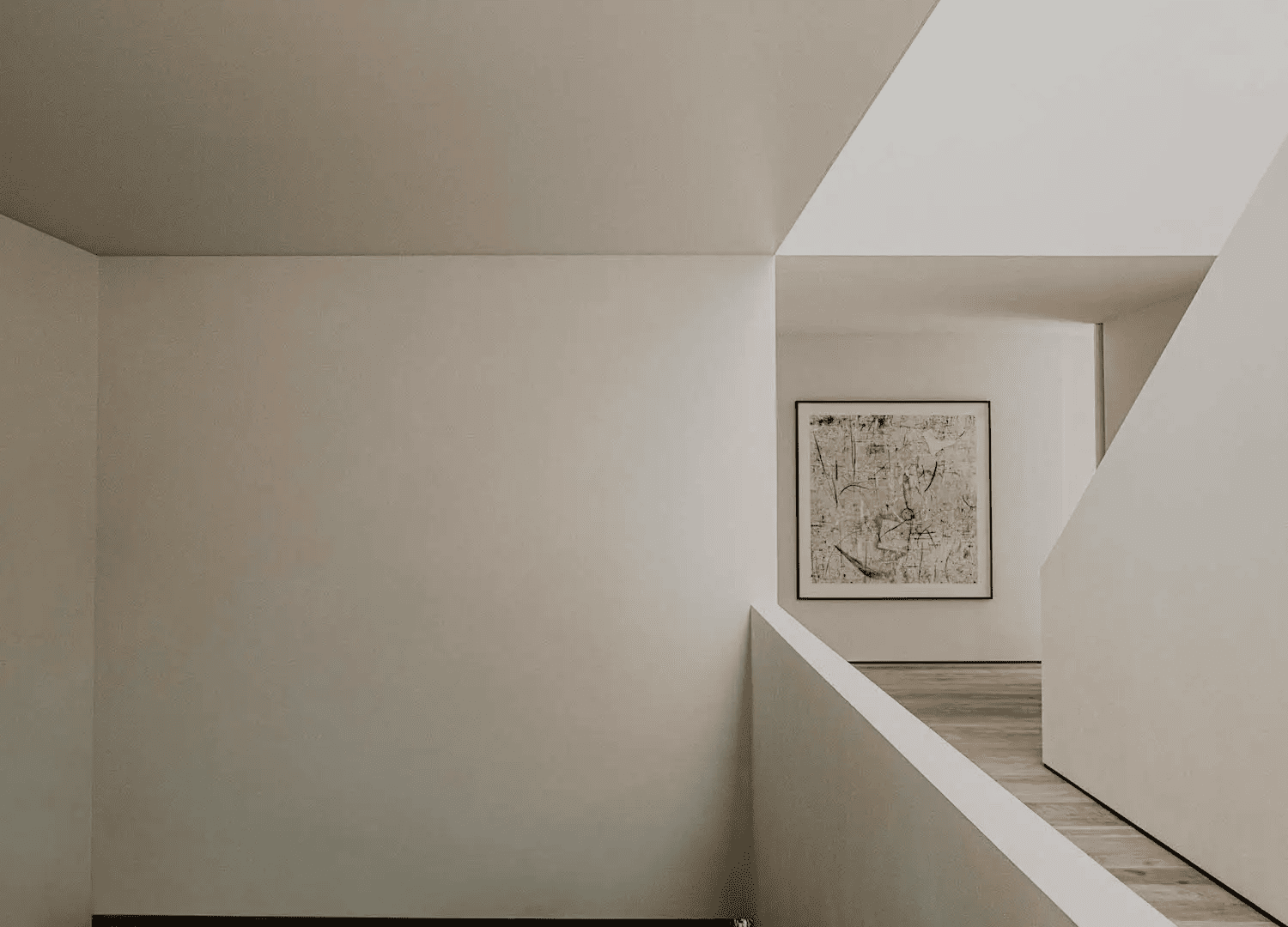
Entering the interior, a steel door leads to a five-meter-square atrium and double-height space, the first in a sequence of seven voids within the house. This sets the overall spatial tone and evokes what Schuybroek describes as "the pull of natural light, curiosity, and movement."
进入室内,一道钢门后是一个五米见方的中庭与挑空,这是住宅中七个挑空序列的第一个,奠定了整体的空间基调,并唤起了Schuybroek所描述的“自然光的牵引、好奇心与动势”。
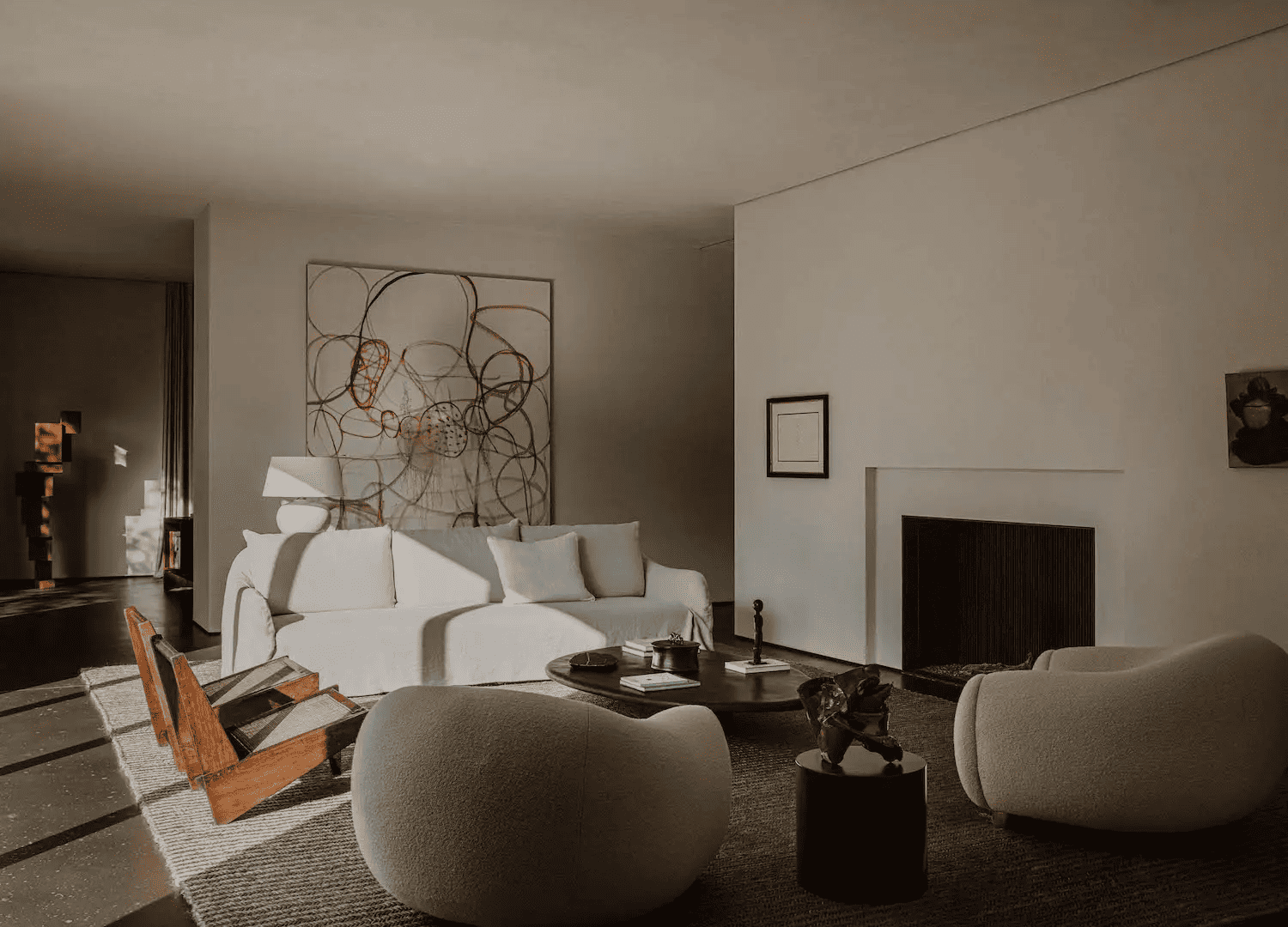
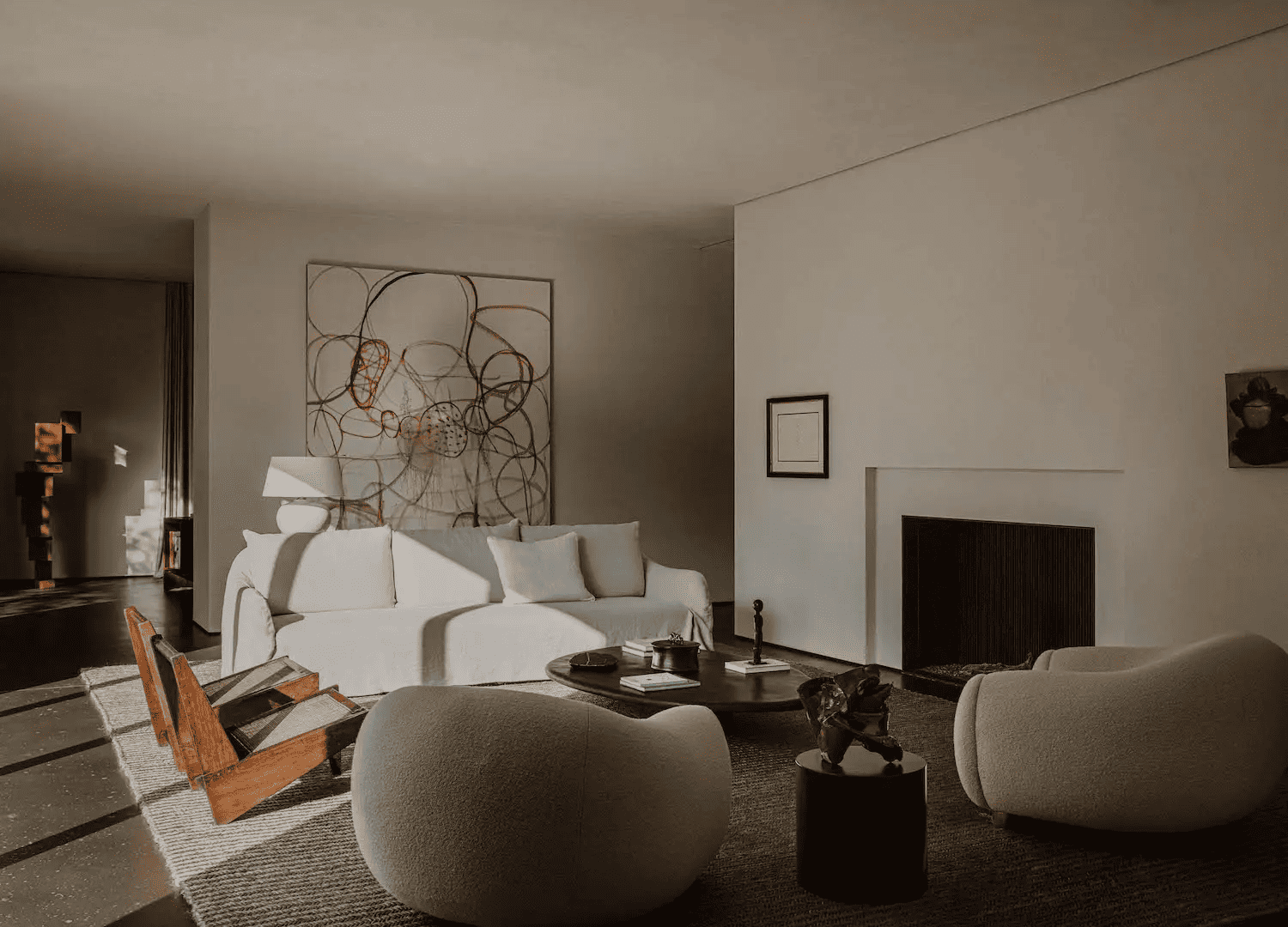
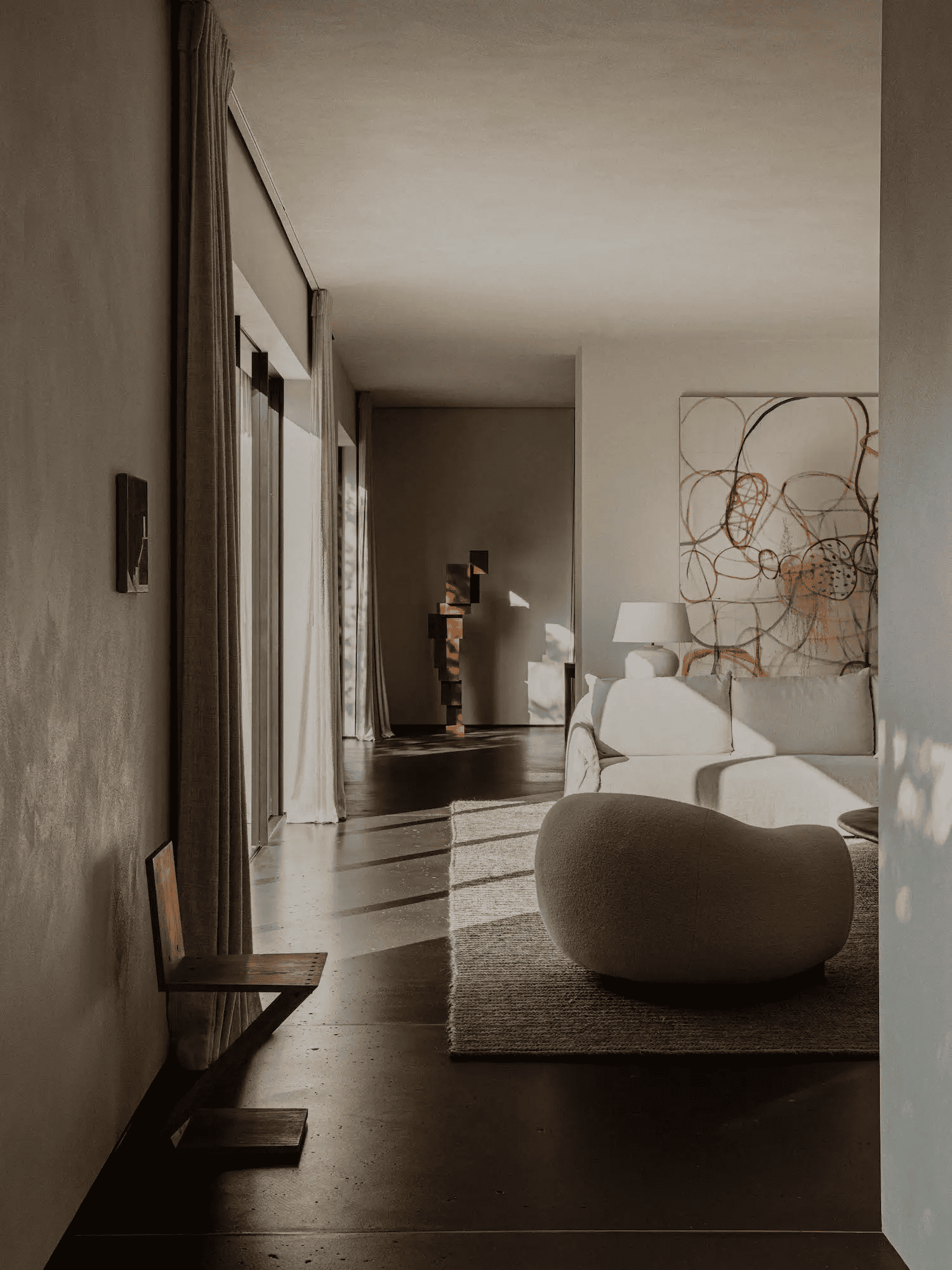
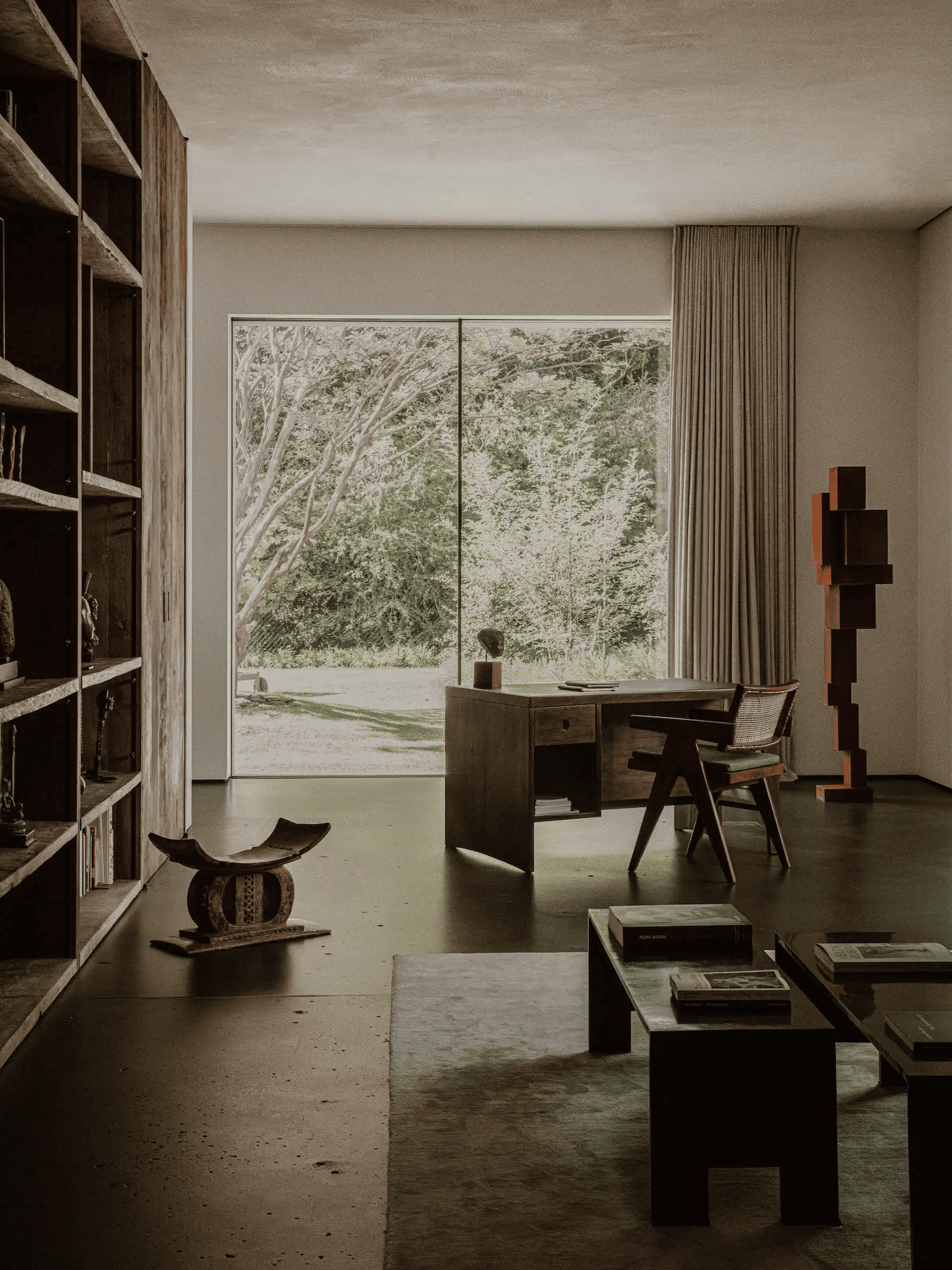
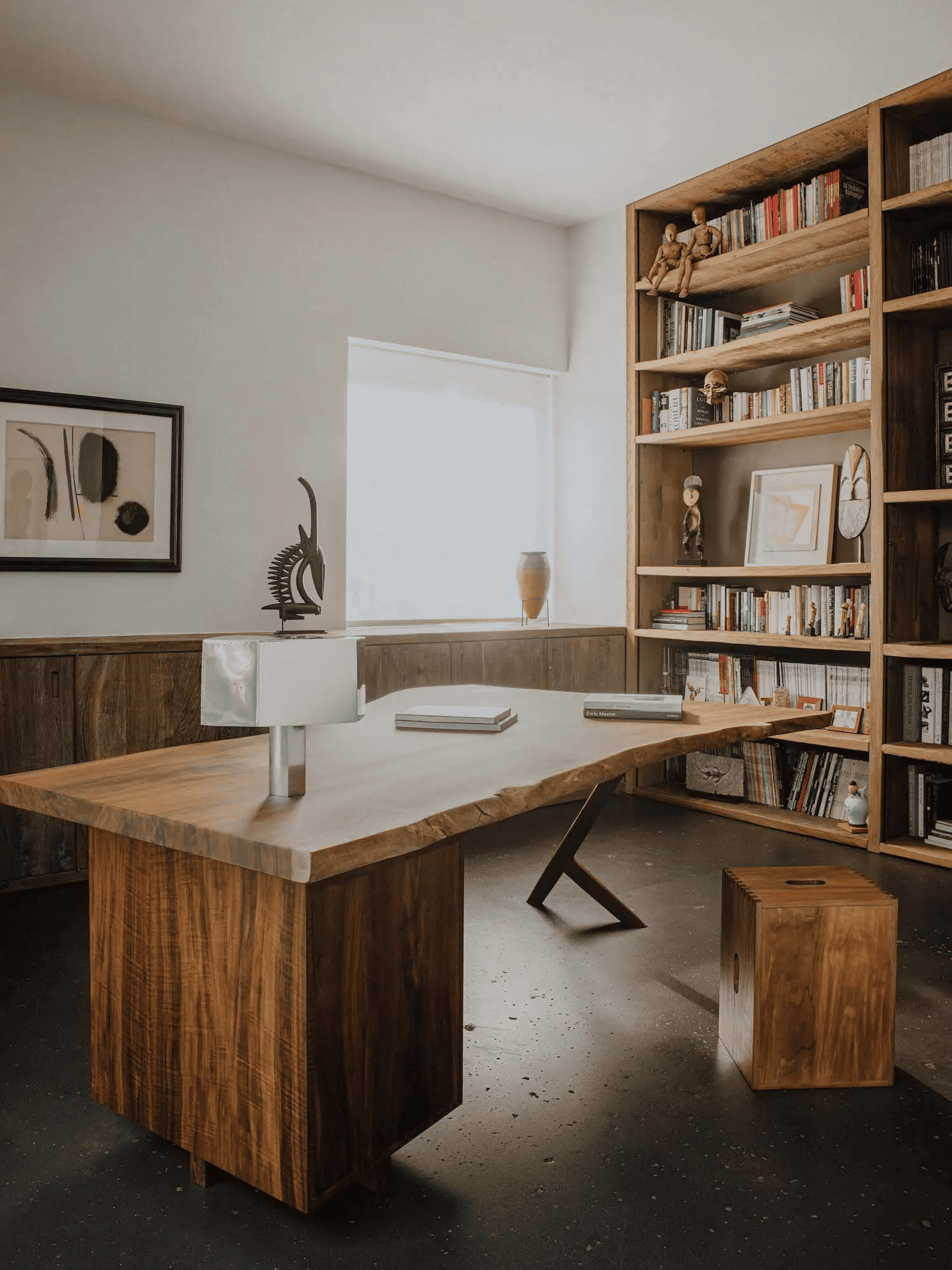
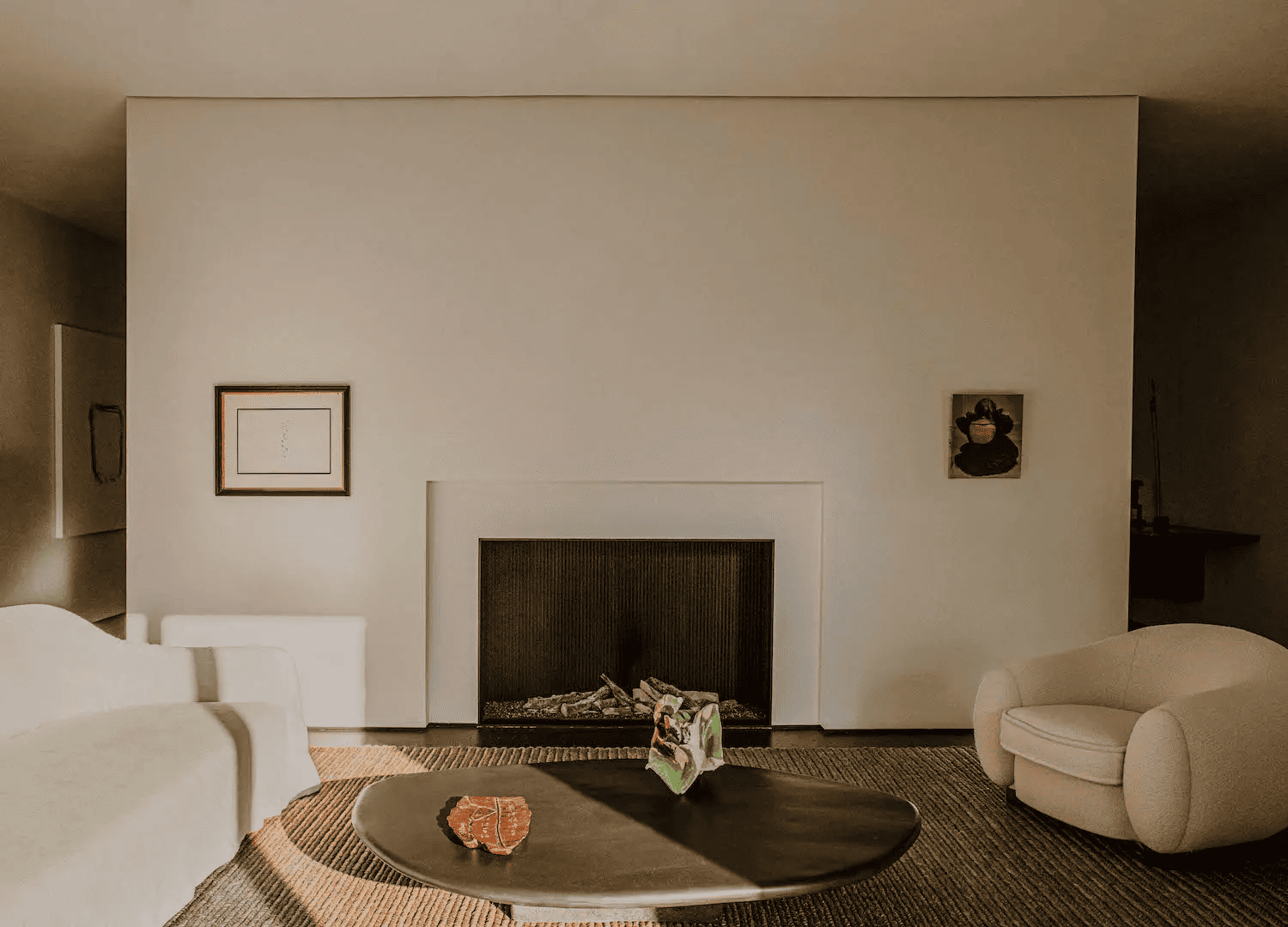
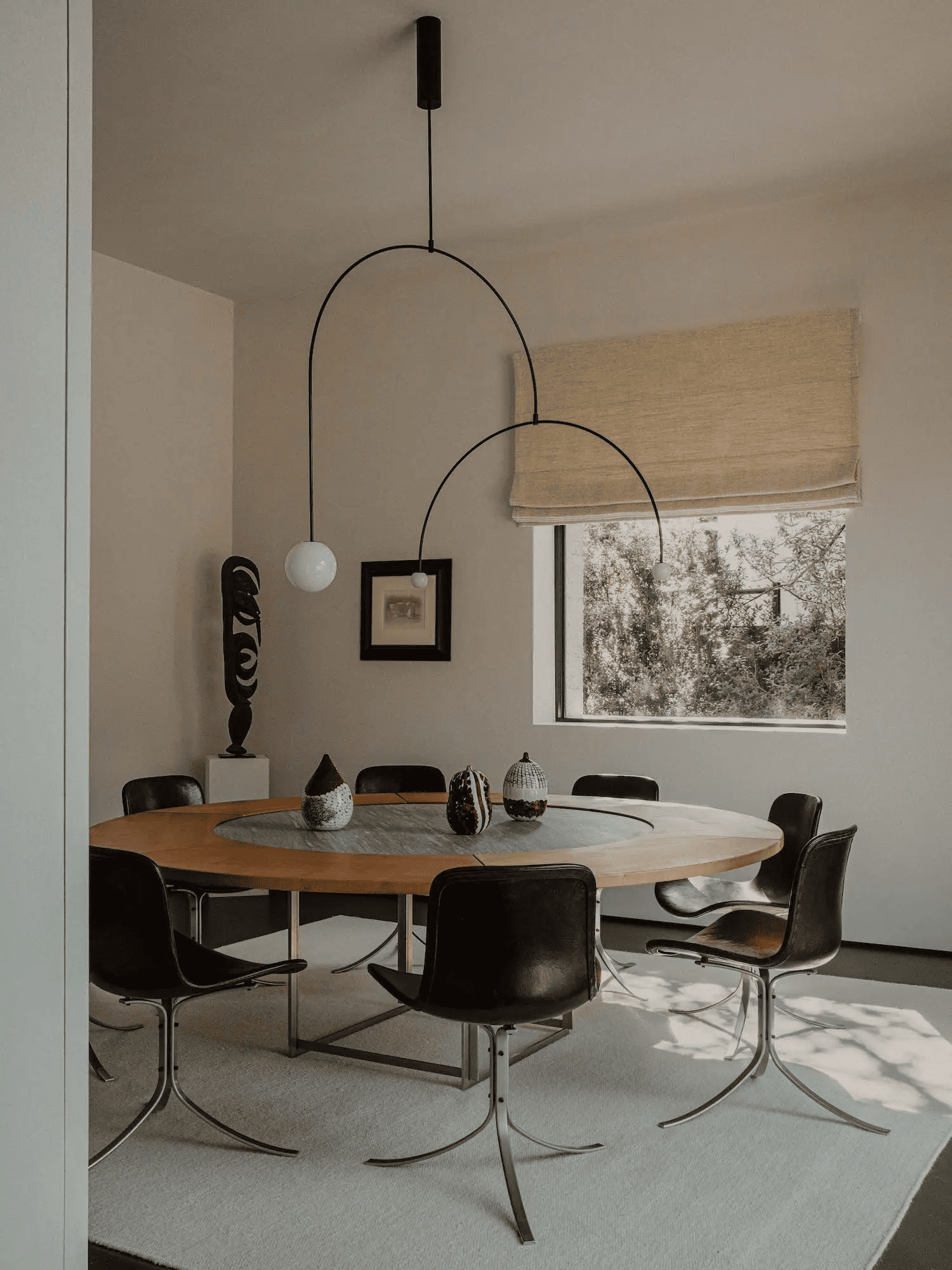
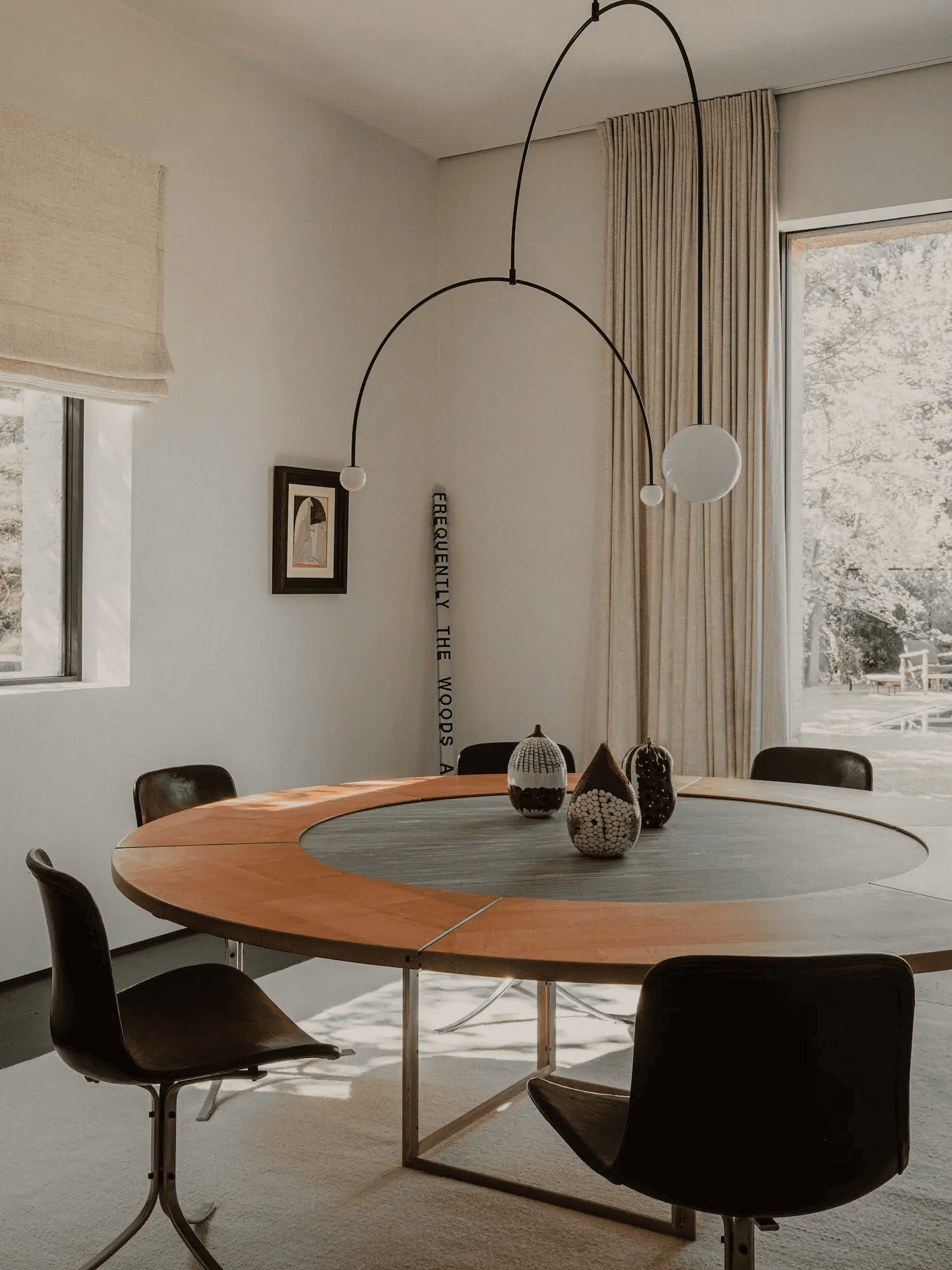
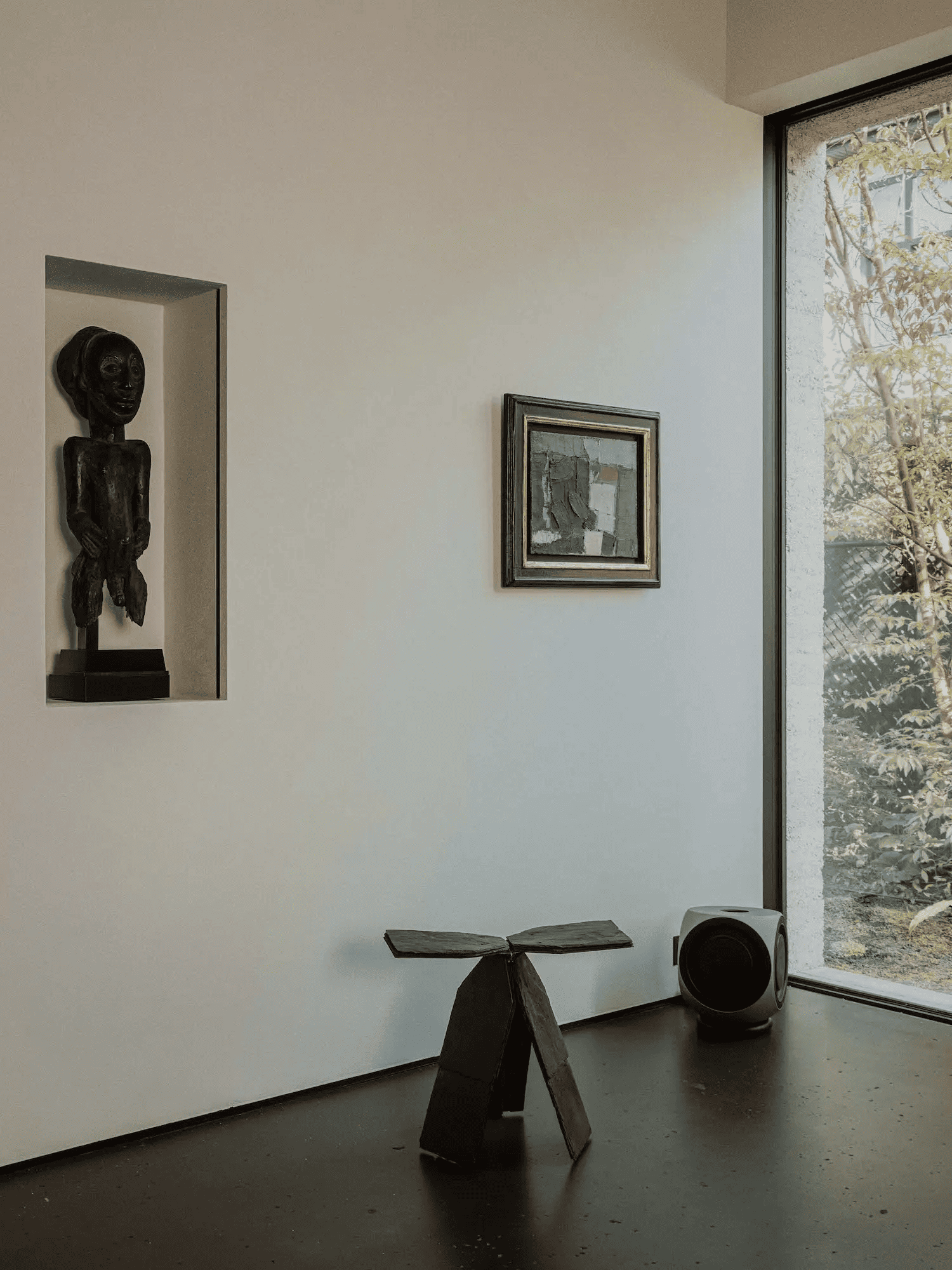
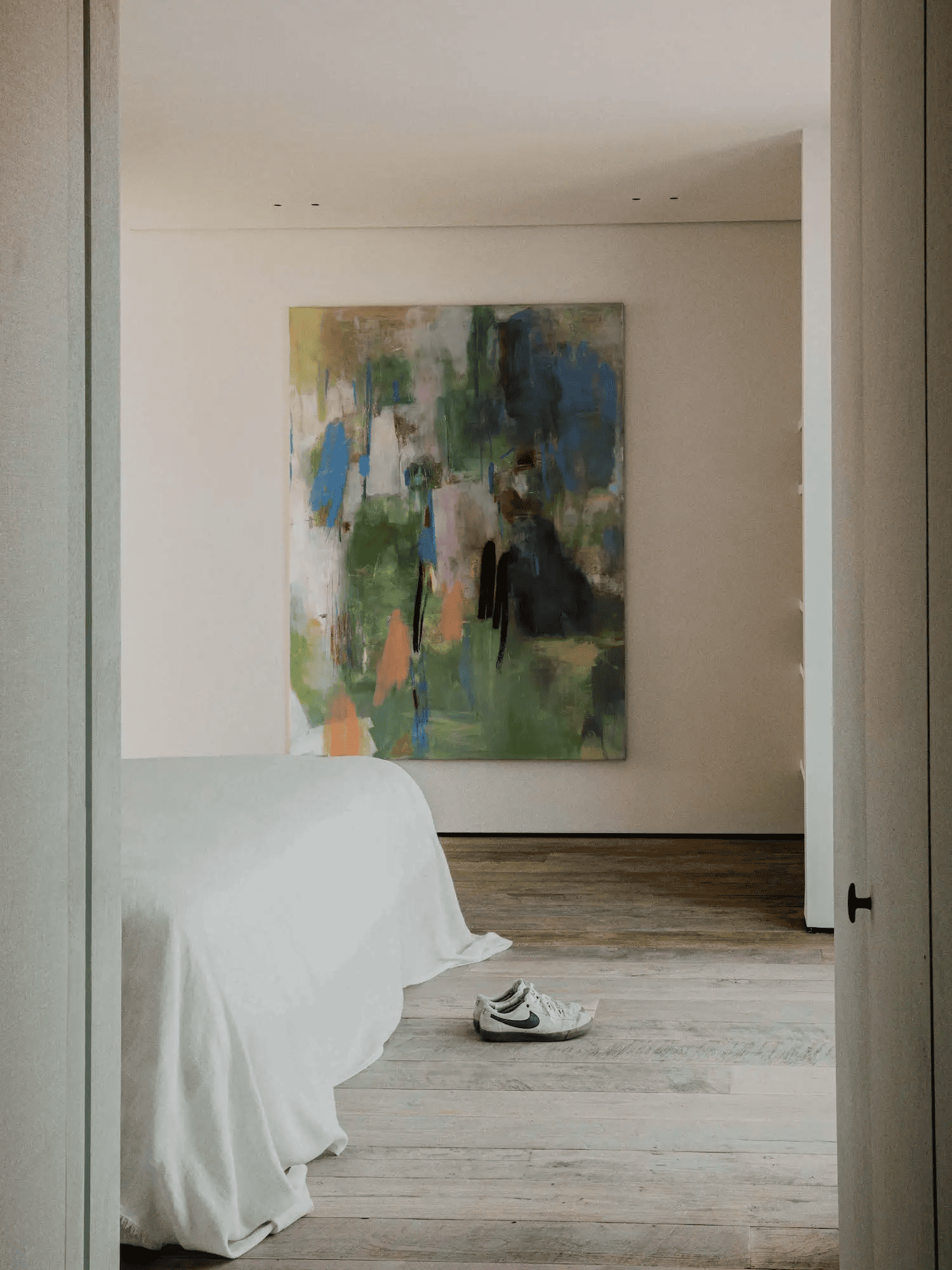
The residence aims to capture an immersive, gallery-like experience to display the owner's extensive art collection, spanning from Anish Kapoor to James Turrell, ensuring each piece can be appreciated under appropriately curated light.
住宅旨在捕捉美术馆般的沉浸式体验,以陈列主人从Anish Kapoor到James Turrell的广泛艺术收藏,确保每件作品都能在恰如其分的光线中被欣赏。
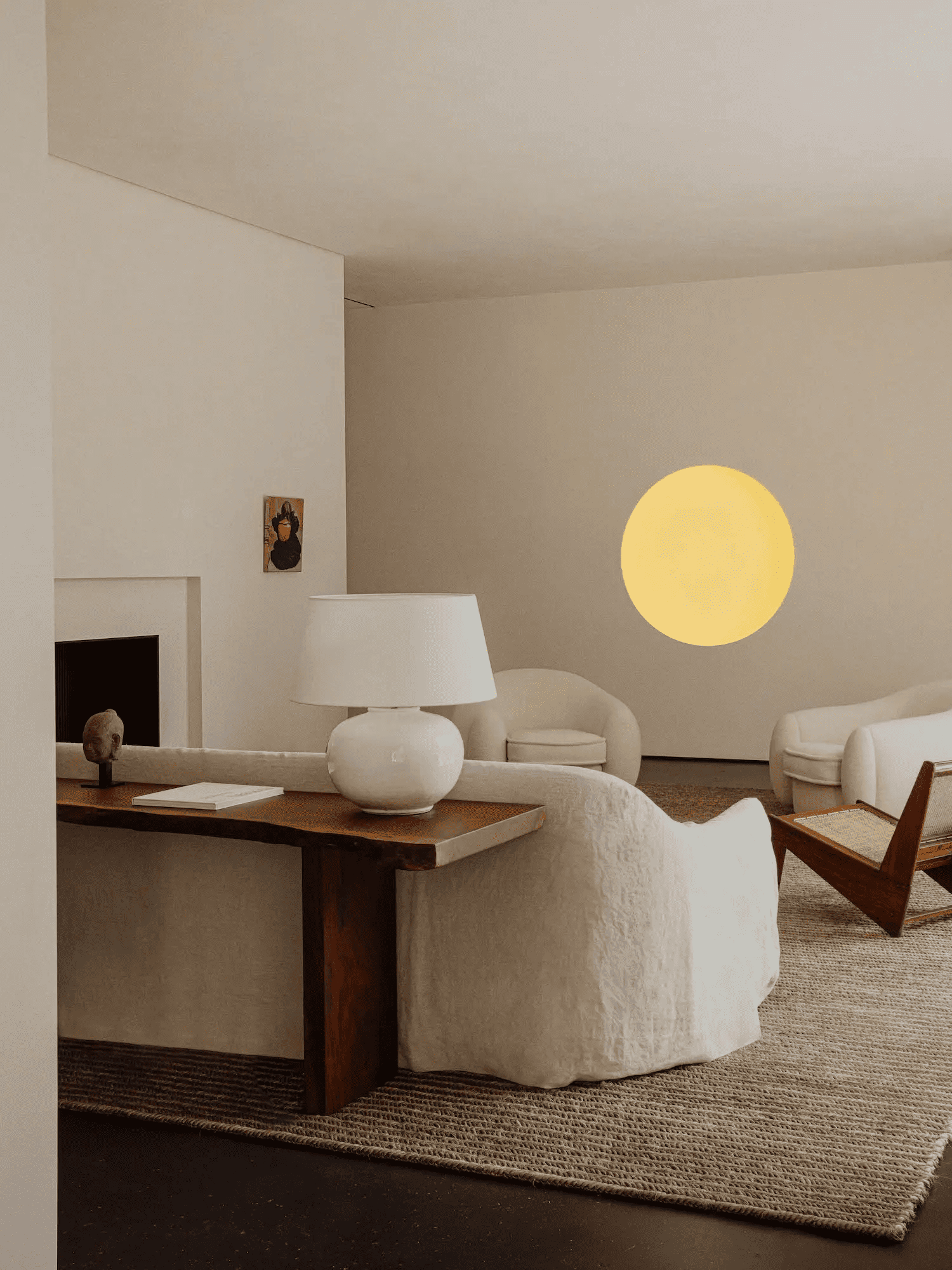
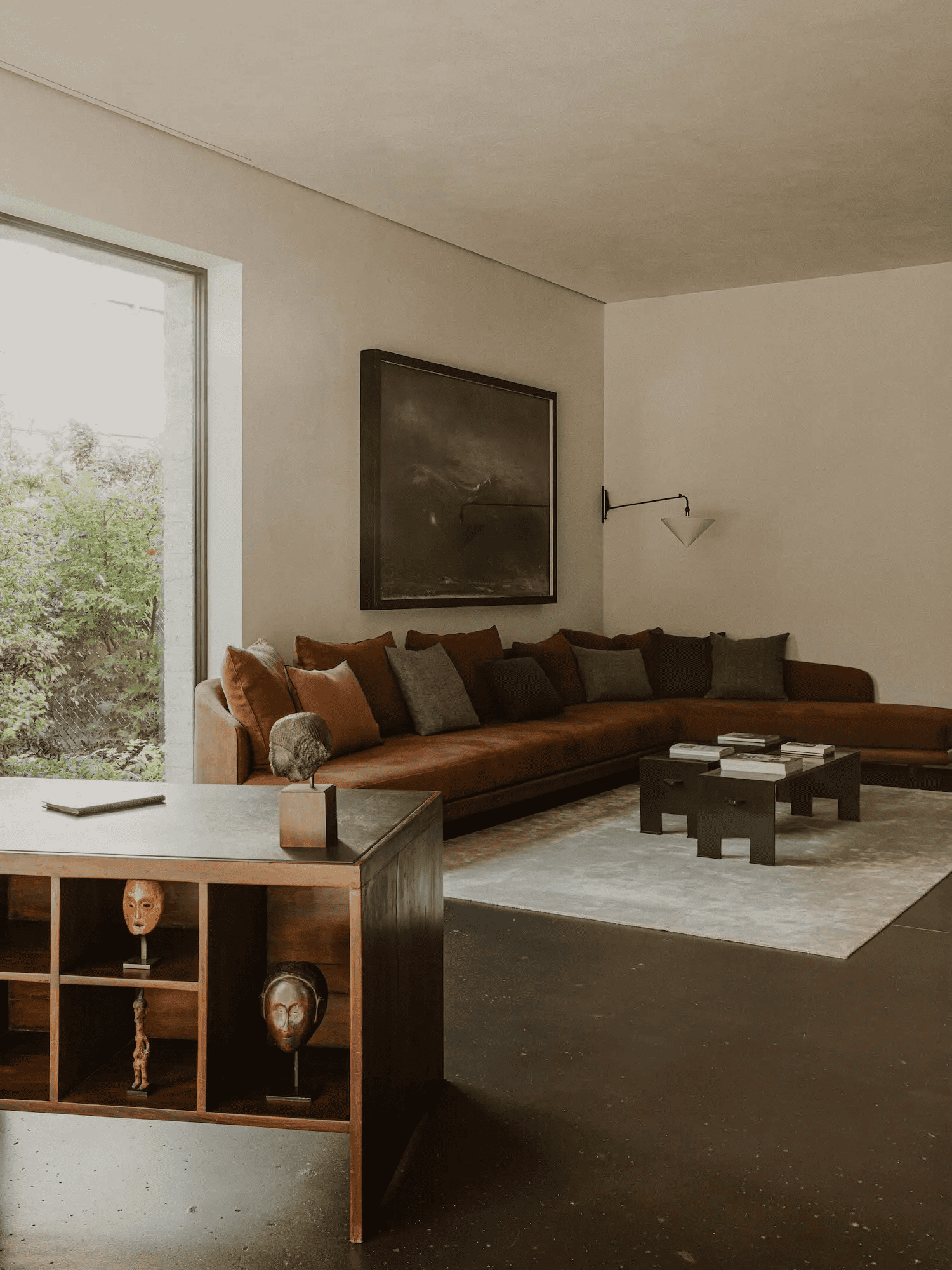
The house employs a restrained palette of raw, authentic materials, creating a sense of quiet warmth. This enhances the soft light introduced through openings and voids, making the sequence of家居展览般的空间序列流畅而自然.
该住宅采用原始、真实材料的克制性色调,营造出宁静的温暖感。这增强了通过开口与挑空引入的柔和光照,使得家居展览般的空间序列流畅而自然。
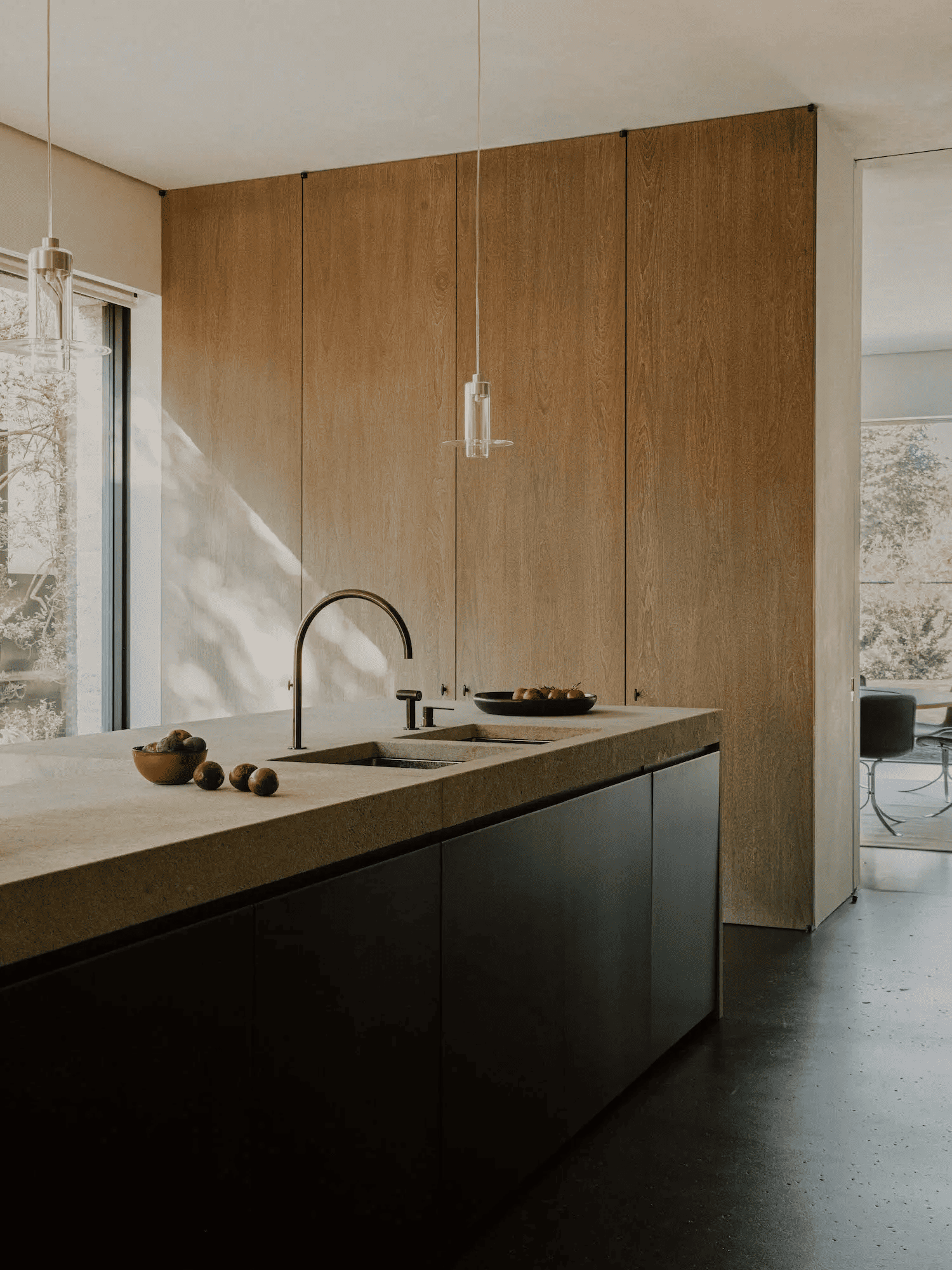
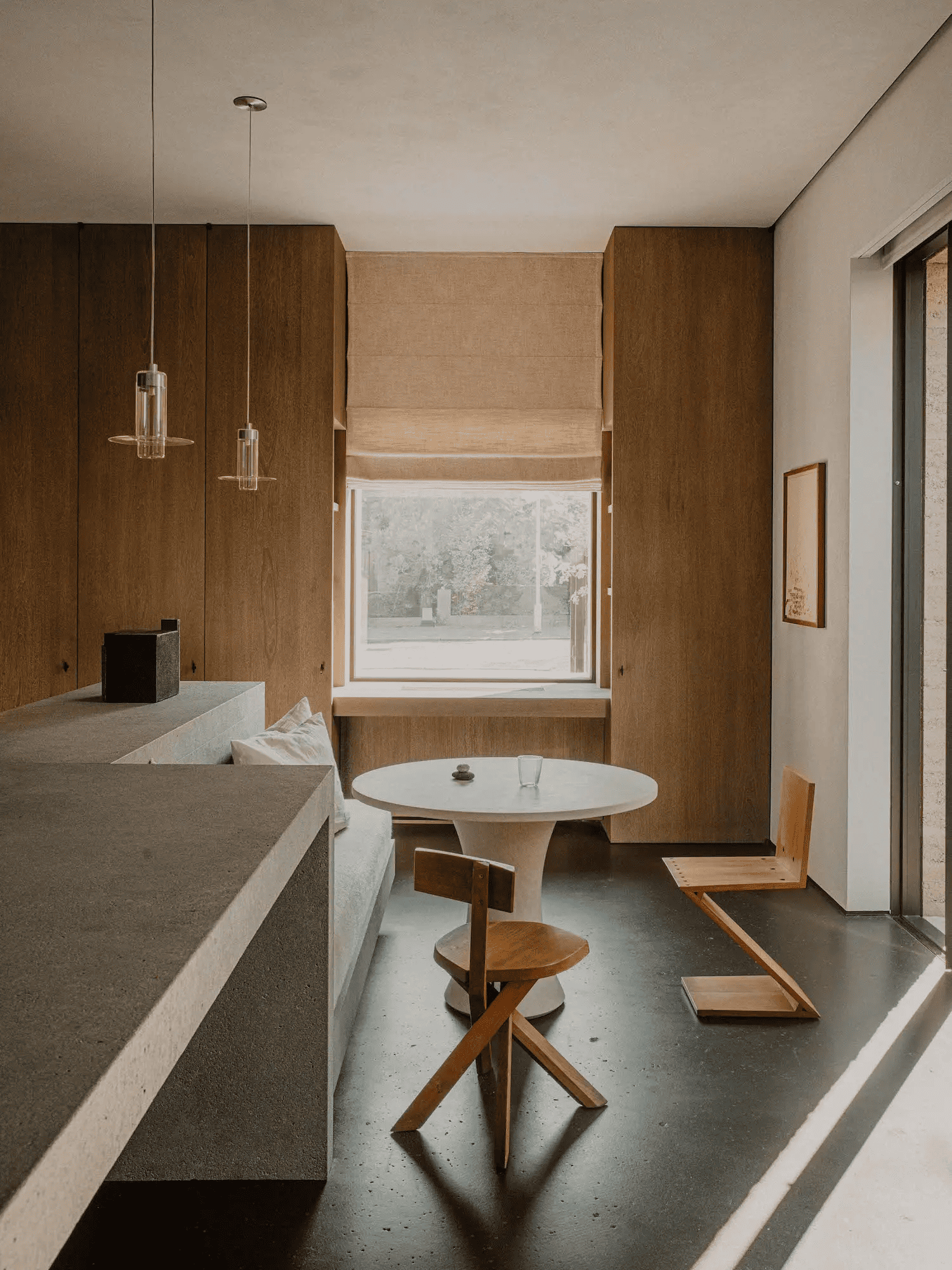
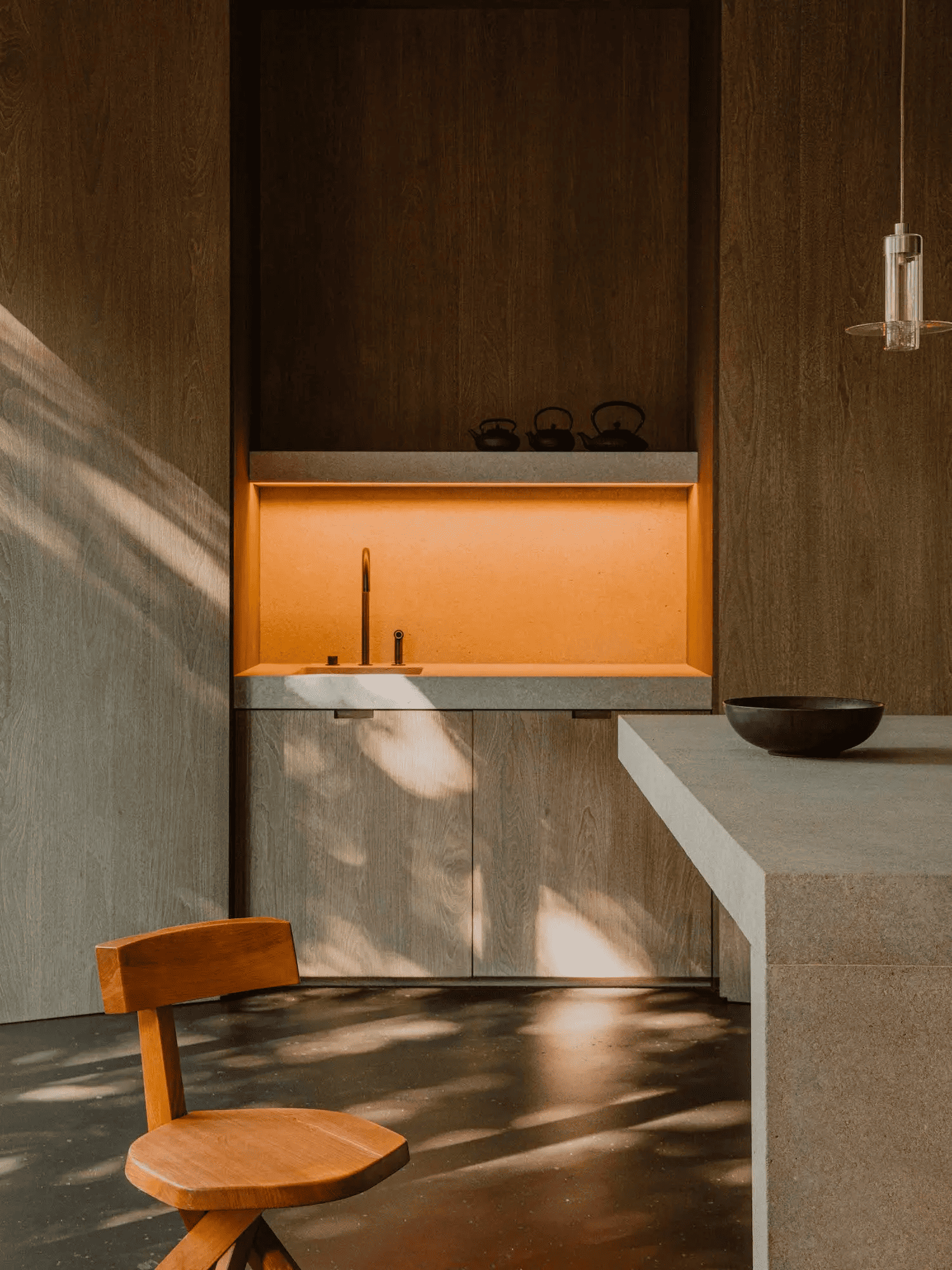
In the kitchen, walnut cabinetry and travertine countertops exude warmth, contrasting with the custom floor made of volcanic lime powder.
在厨房,胡桃木橱柜与石灰华台面渗透出温暖,与定制火山石灰粉地板形成对比。
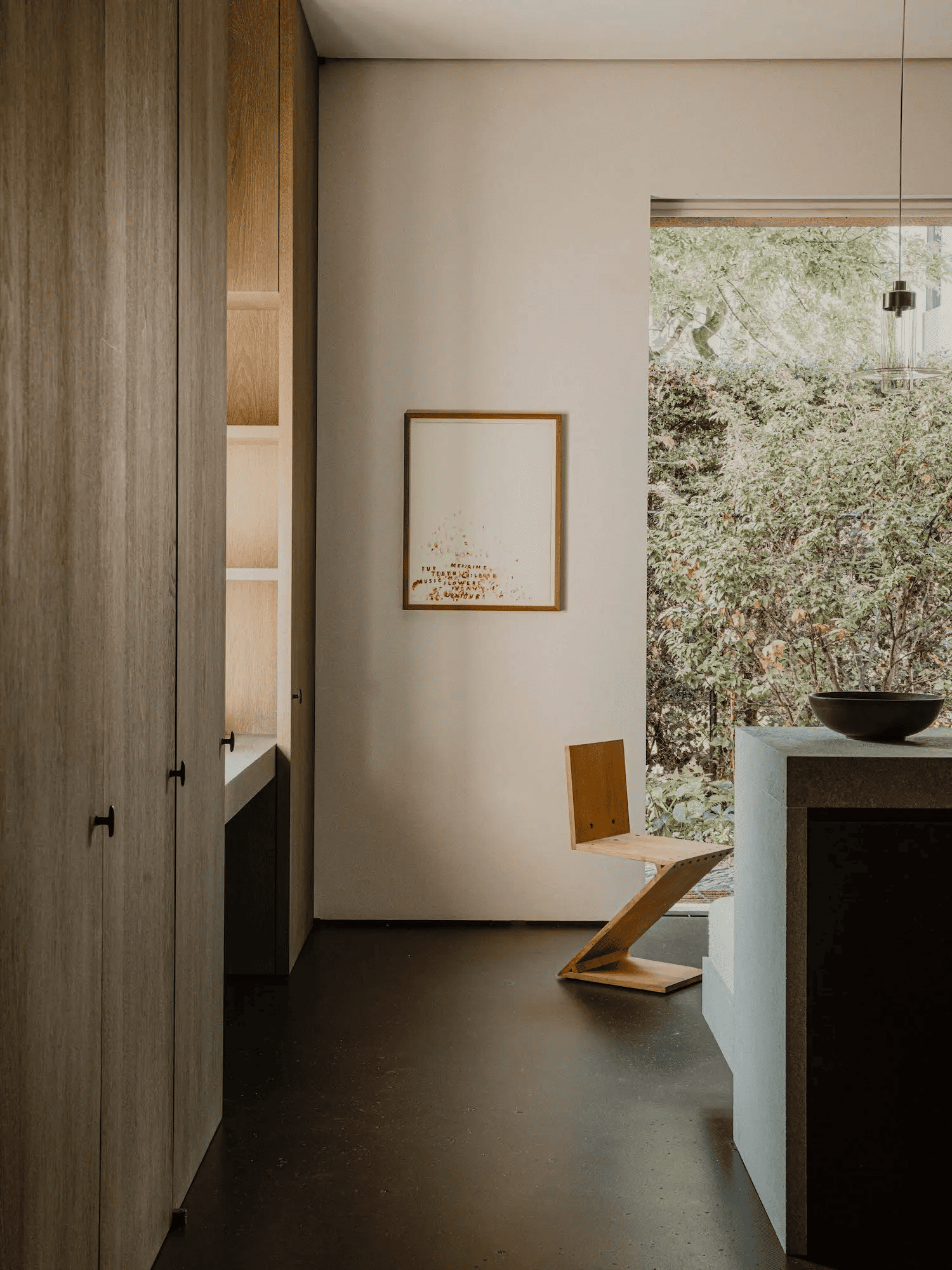
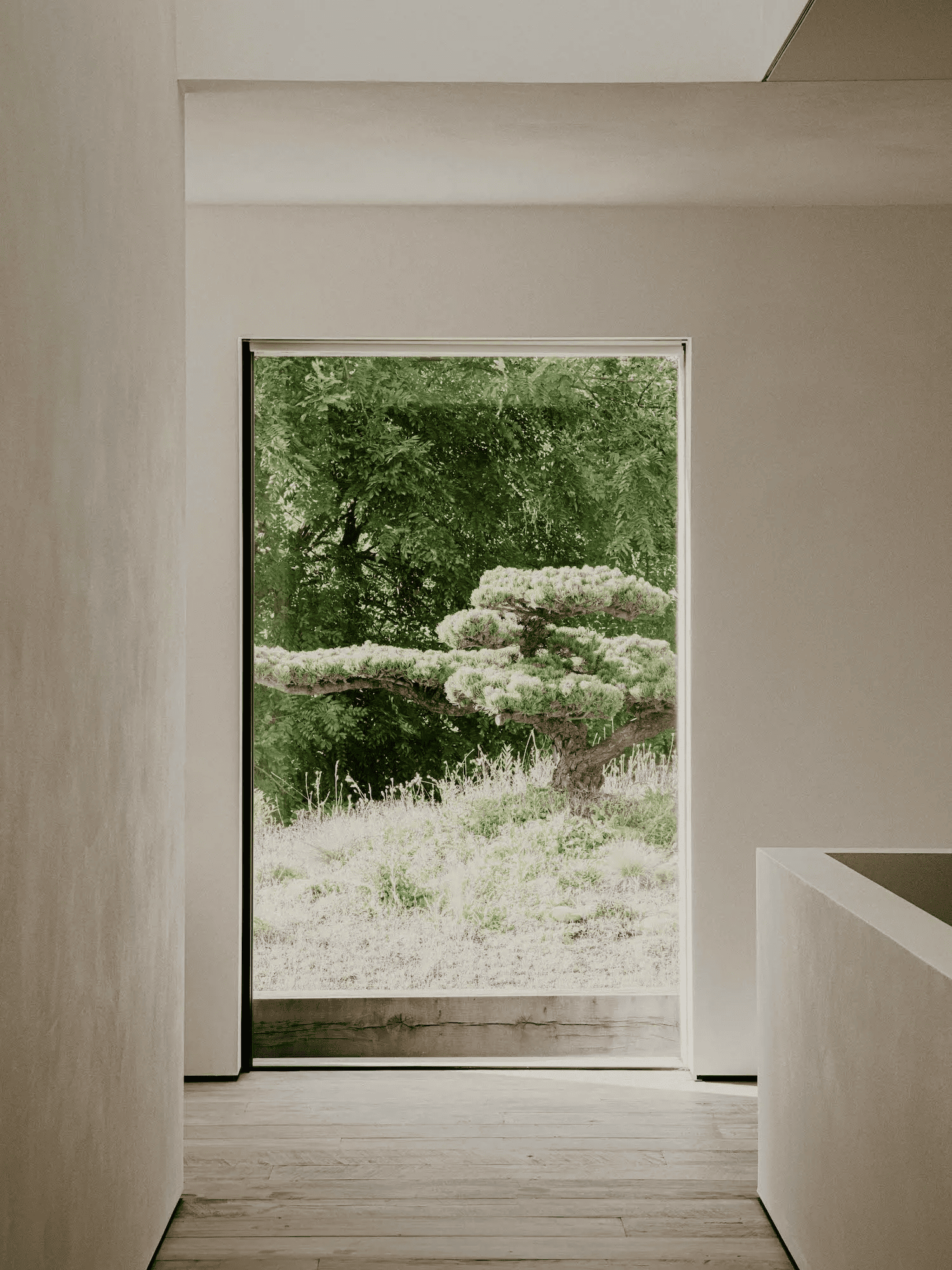
The restrained backdrop allows the lush landscape to add color to the interior, with walls finished throughout with hand-applied lime plaster.
内敛的背景让葱郁的景观为室内添彩,墙面均采用手工涂抹的石灰浆进行渲染。
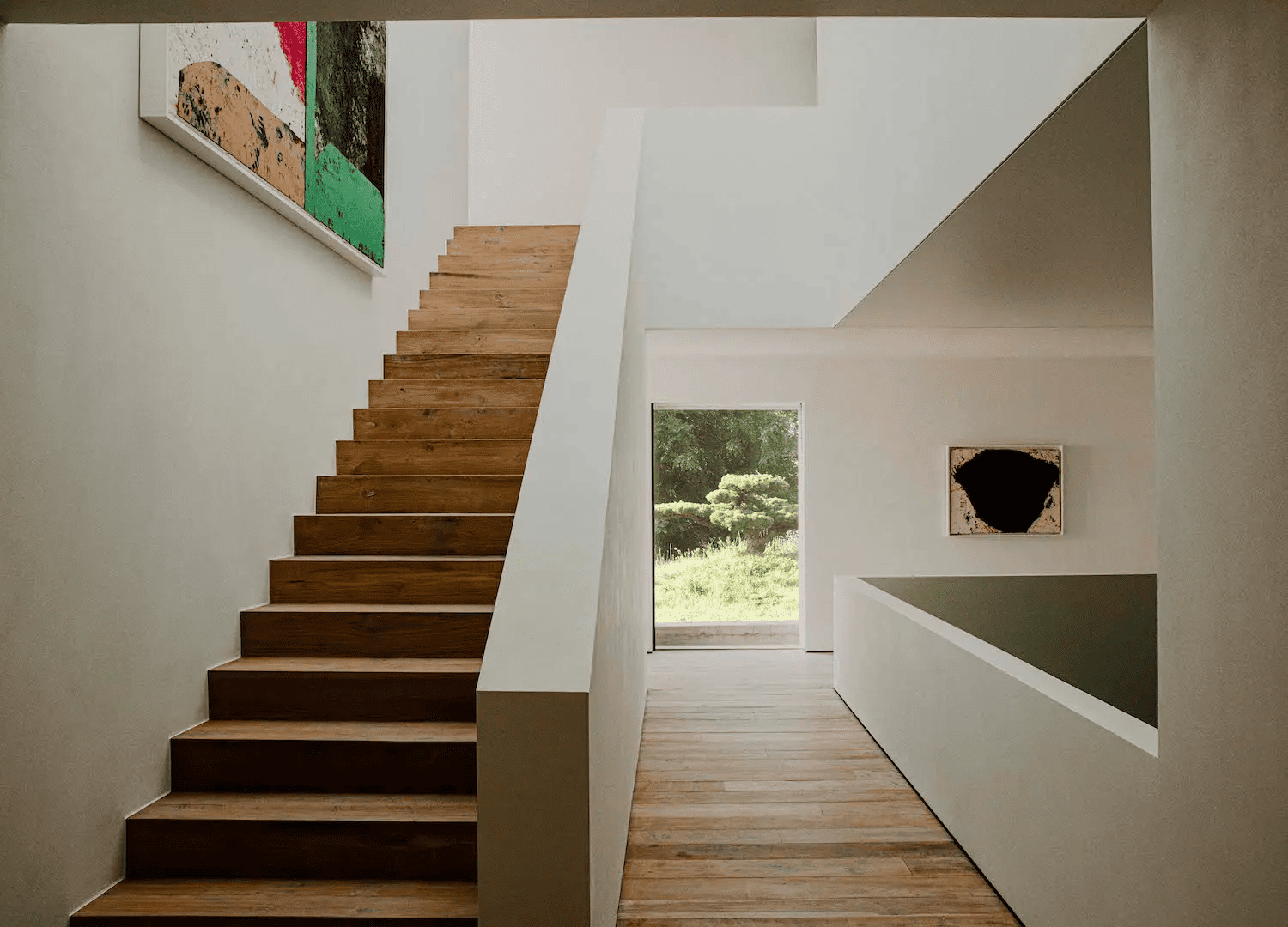
Its grand scale continues on the upper level, complemented by skylights that gently diffuse light across both floors.
其宏大的尺度在上一层得以延续,并辅以天窗,将光线柔和地漫射至两个楼层。
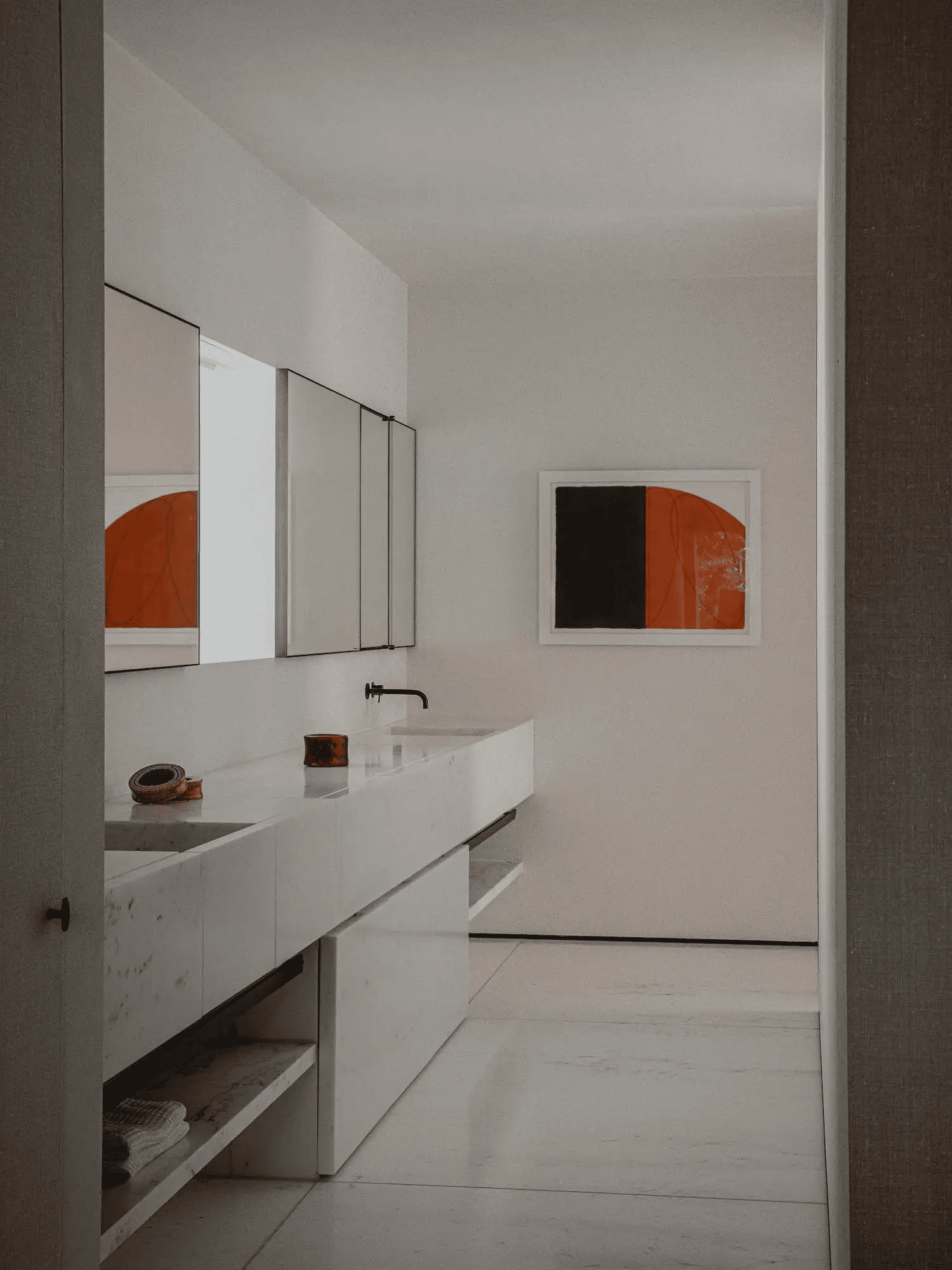
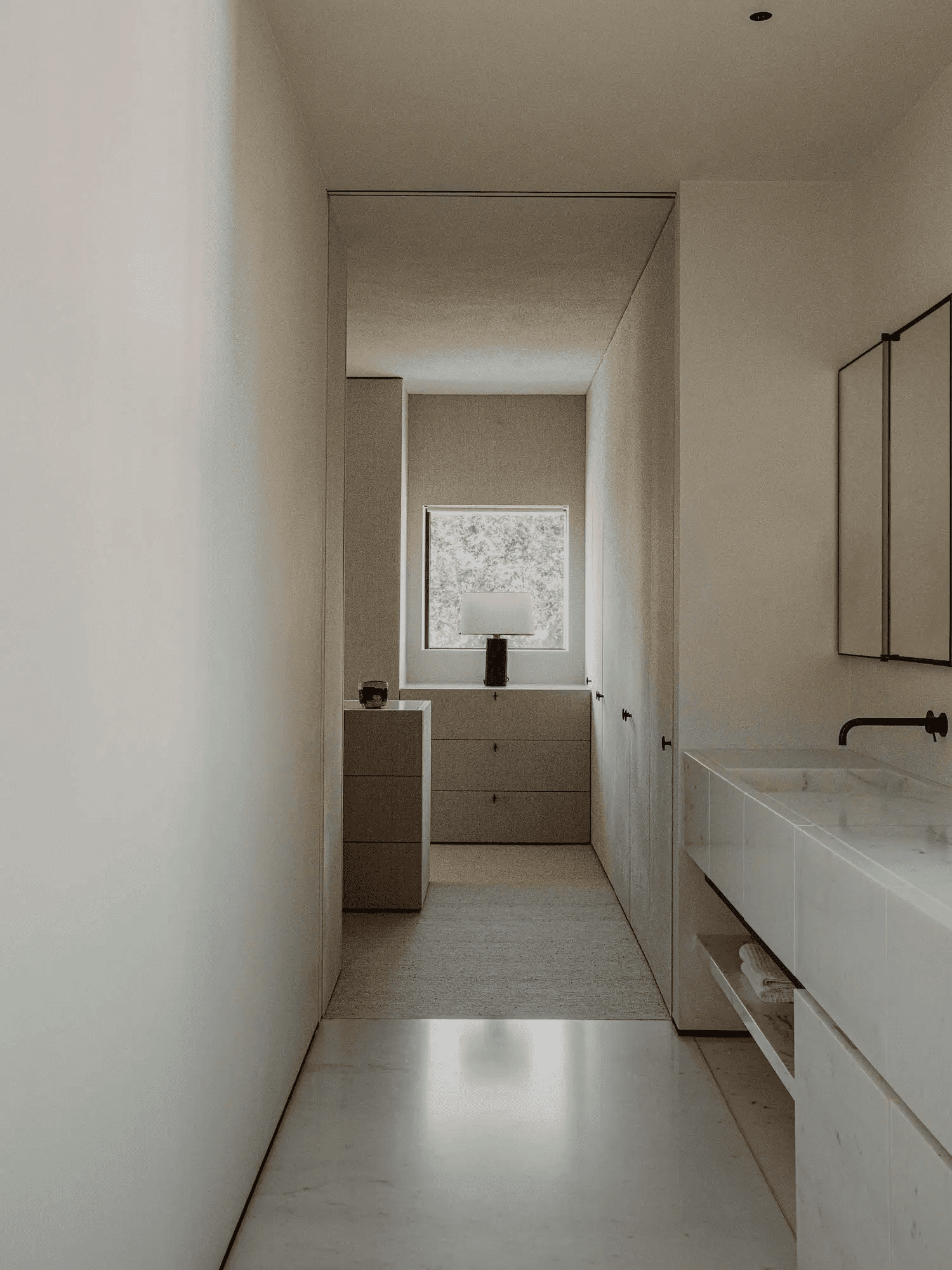
Upstairs, a teak staircase is installed, floors are covered with linoleum, and bathrooms are adorned with white marble.
楼上着铺设柚木楼梯,地板覆盖着亚麻地毯,浴室则饰以白色大理石。
Summarizing H House, Schuybroek describes it as "a turning point." For the first time, materiality itself became a vehicle for emotion and time. It is arguably the most spiritual work by Nicolas Schuybroek Architects – a residence that is simultaneously a museum, a sculpture, and a space for meditation.
总结H House时,Schuybroek形容其为“一个转折点”。物质本身首次成为了情感与时间的载体,这或许是Nicolas Schuybroek Architects最具精神性的作品 —— 一个同时是博物馆、雕塑与冥思空间的住宅。
 Previous Post